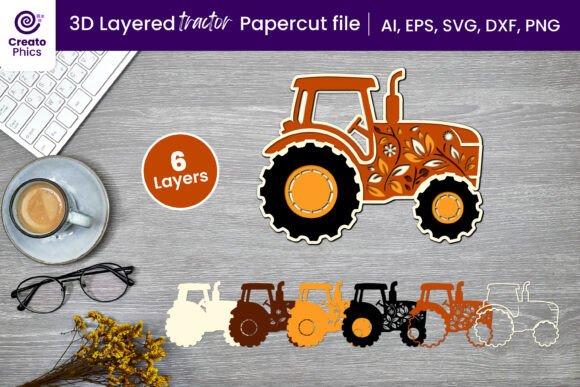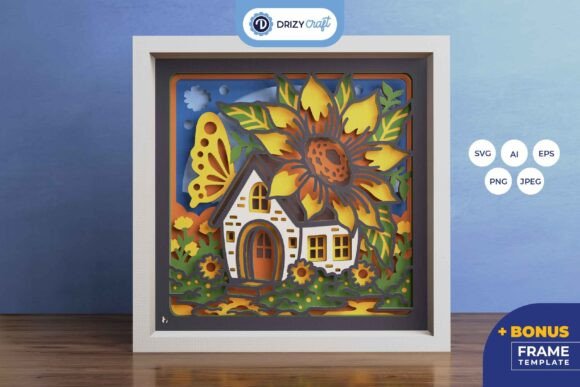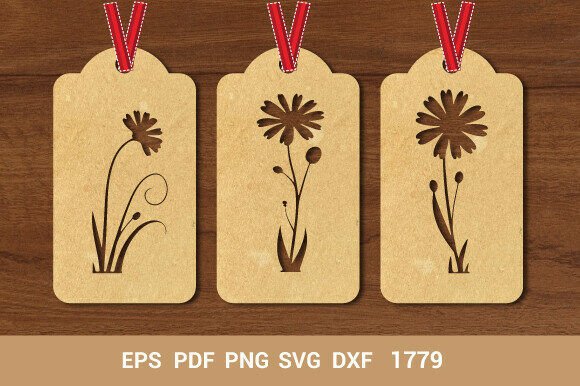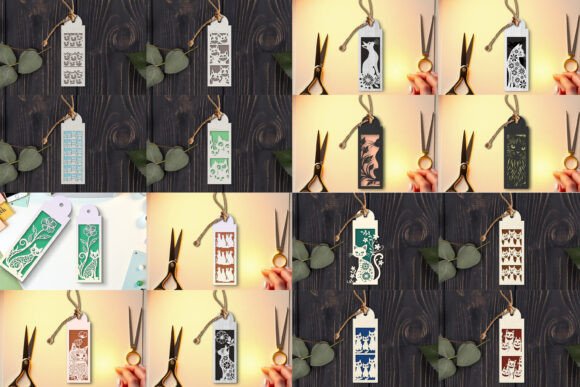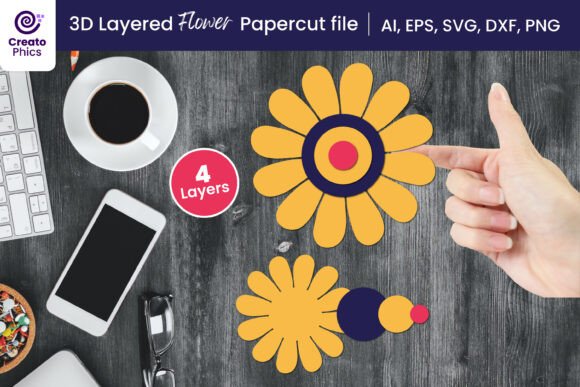
3D Layered Floral Paper Review
As a designer who spends more time in the embroidery hoop than anywhere else, I approach every new machine embroidery design with a mix of excitement and skepticism. When I first encountered 3D Layered Floral Paper, my initial reaction wasn't just about the aesthetic appeal, but about its practicality in a real-world commercial setting. The concept is simple yet effective: it mimics the delicate artistry of paper cutting using digital stitch patterns to create depth and dimension. It is marketed as a 3D SVG file perfect for scrapbooking and wall art, but can it truly hold up when translated into thread on fabric? After running several tests and visualizing this design on various products, here is my honest assessment for fellow designers, Etsy sellers, and craft business owners.
The First Impression: Mood and Visual Personality
3D Layered Floral Paper immediately brings a sense of refined elegance to the table. Unlike standard floral motifs that rely solely on color variation to create interest, this design uses layering techniques to simulate the physical separation of petals. In terms of mood, it feels sophisticated yet accessible, making it a versatile choice for everything from nursery decor to boutique branding. The layout is balanced, avoiding the clutter that often plagues complex designs, which suggests a high level of attention to detail during the digitization process.
For a creative entrepreneur looking to add a touch of floral elegance to their product line, this design offers a unique selling point. It bridges the gap between traditional embroidery and modern papercut aesthetics. Whether you are creating a custom apparel piece or a personalized gift, the visual personality of this design commands attention without overwhelming the garment or item itself. It feels like a premium asset that elevates the perceived value of any finished product.
Real-World Application: From Digital File to Finished Product
Let's imagine a specific scenario to test the viability of this design. Suppose you are preparing a custom embroidered tote bag for a local artisan market or an Etsy shop. You want something that stands out in a sea of generic floral prints. Stitching 3D Layered Floral Paper onto a canvas tote bag creates an immediate focal point. The layered effect adds a tactile quality that customers love to touch, enhancing the handmade product experience.
I also envision this design performing exceptionally well on sweatshirt embroidery. The density of the layers works beautifully against the soft, textured surface of fleece or cotton blends. For a baby embroidery project, such as a onesie or a blanket, the gentle curves and organic shapes of the flowers provide a soft, comforting look that parents appreciate. Similarly, if you are designing an embroidered patch for a denim jacket or a cap, the distinct layers help the design maintain its integrity even when stitched onto a curved surface.
However, the application extends beyond clothing. Consider a kitchen towel or a pillow cover for a wedding gift. The design's ability to mimic paper cutting gives it a crisp, clean finish that looks professional and polished. It fits perfectly into a holiday embroidery collection, offering a fresh take on seasonal decor that isn't overly thematic but retains a festive spirit through its intricate details.
Navigating Challenges: Where Caution is Key
While the design is robust, there are specific situations where 3D Layered Floral Paper requires careful consideration. If you are working with small hoop sizes, you must ensure the design scales down without losing the definition of the inner layers. Tiny details can sometimes get lost in stitching, especially if the stitch density is too high for the fabric weight.
Fabric texture plays a significant role in the final outcome. On thin or stretchy fabrics, the tension required to create the 3D effect might cause puckering. In these cases, using a proper stabilizer is non-negotiable. Dark fabrics present another challenge; while the design is elegant, the contrast provided by standard thread colors might not be sufficient to highlight the layers unless you choose your thread colors strategically. A dark background might require a lighter underlay or a different fill strategy to ensure the "paper" effect remains visible.
Additionally, if you plan to use this design on items that will undergo frequent washing, such as aprons or everyday tote bags, check the durability of the stitches. Dense stitch areas can sometimes trap lint or wear down faster if not stabilized correctly. Curved surfaces like caps can also distort the layering if the machine angle isn't adjusted properly. Always test the design on scrap fabric first to gauge how the layers interact with the specific material you are using.
Impact on Brand Value and Customer Trust
In the world of commercial embroidery and craft business, the quality of the design directly influences customer trust. A well-executed 3D Layered Floral Paper design signals professionalism. It shows that you care about the details, which translates to higher perceived value for your small shop product. When a buyer sees a design that looks like a high-end papercut but has the durability of embroidery, they are more likely to engage with your brand and recommend your services.
This design also enhances giftability. Personalized gifts often require a balance of uniqueness and sophistication. The layered floral motif strikes this balance perfectly, making it an ideal choice for wedding gifts, baby showers, or corporate merchandise. Furthermore, for Etsy sellers and digital product sellers, having a design that offers such visual depth allows for better printable mockups and digital previews, helping potential buyers visualize the final result before purchasing.
Practical Designer Notes for Success
To get the most out of this embroidery file, I recommend following a few practical steps before committing to a full production run. First, always review the stitch density and confirm the recommended hoop size. If the design includes fine details, inspect them closely on a monitor to ensure they aren't too small for your machine's capabilities.
When selecting threads, consider contrasting colors to emphasize the layers. A monochromatic approach might work for a subtle look, but varied shades can enhance the 3D effect. Don't forget to check whether the design works for both personal and commercial projects, as licensing terms can vary. If you are planning to sell finished items, ensure you have the correct permissions for the design assets.
Finally, compare the design on light and dark fabric backgrounds to see how the fabric texture interacts with the stitches. Using a digital embroidery file effectively means understanding its limitations and strengths. By testing on scrap fabric and adjusting your setup accordingly, you can ensure that every embroidery project featuring 3D Layered Floral Paper results in a beautiful, durable, and professional finished product.