Easter Flower Egg Cut File, Floral Egg
As a designer who has spent years refining embroidery files for boutique clients and personal projects, I approach every new download with a mix of excitement and skepticism. The market is flooded with generic shapes, but Easter Flower Egg Cut File, Floral Egg caught my eye immediately. It promises a blend of seasonal charm and ornamental detail that feels distinct from the standard geometric eggs often seen in spring collections. Before committing this to a production run or a custom client order, I put it through a rigorous mental simulation: How will this stitch? Will it hold up on a tote bag or a baby onesie? Does it translate well from a digital screen to a physical garment?
The First Impression: Mood and Visual Personality
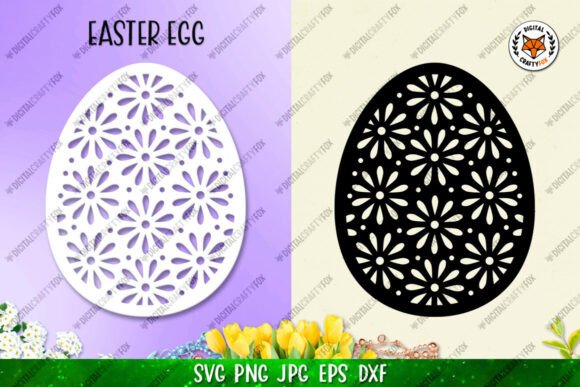
The moment you open the file, the Easter Flower Egg Cut File, Floral Egg exudes a specific energy. It isn't just an egg; it is an ornament. The floral motifs integrated into the shape suggest a delicate, hand-painted aesthetic that works beautifully for spring themes. For a designer, the layout is crucial. This design avoids the cluttered look of many holiday assets by balancing negative space with intricate detailing. It feels organic rather than rigid.
In terms of visual personality, this piece leans towards the elegant and nostalgic. It creates a mood of warmth and celebration without being overly loud. When I imagine this stitched onto a cream-colored linen pillow cover, the floral details would pop against the neutral background, creating a sophisticated centerpiece for a nursery or a dining room. It feels like a design meant for someone who appreciates the finer details of handmade goods, making it a strong candidate for high-end boutique products.
Real-World Application: From Screen to Stitch
I recently considered using Easter Flower Egg Cut File, Floral Egg for a custom order involving personalized aprons for a local bakery's Easter promotion. The client wanted something that felt festive but professional enough to be worn daily. Here is how the design performed in that scenario.
The shape of the egg provides a contained area for stitching, which is excellent for preventing distortion on curved surfaces like apron fronts. However, the "ornament" aspect requires careful planning. If I were to use this on a heavy canvas tote bag, the fill stitches would need to be robust enough to stand out against the thick fabric. On a softer sweatshirt material, the design would drape naturally, mimicking the texture of a knitted sweater pattern. The versatility here is impressive; it transitions smoothly from a simple applique design on a patch to a detailed satin stitch accent on a cap.
For small business owners selling on platforms like Etsy, this design offers a unique selling point. A finished product featuring Easter Flower Egg Cut File, Floral Egg looks more curated than those using basic clipart. Customers are willing to pay a premium for items that feel thoughtfully designed. Whether it ends up as a holiday gift tag, a decorative pillow, or a custom embroidered hat, the design elevates the perceived value of the item.
Where to Exercise Caution
While the design is versatile, there are specific scenarios where it might struggle if not handled correctly. As an experienced reviewer, I must highlight where caution is needed to ensure your final product meets professional standards.
- Small Hoop Sizes: The intricate floral details within the egg shape require sufficient space. Trying to compress this into a 4x4 hoop could result in lost definition, especially in the smaller curves of the petals. Always verify the minimum hoop size before placing the design on a small item like a baby bib or a child's hat.
- Textured and Stretchy Fabrics: Embroidery on textured fabrics like bouclé or highly stretchy jersey can distort the symmetry of the egg shape. Without proper stabilizer techniques, the design may pucker or shift, ruining the clean lines of the ornament.
- Dense Stitch Areas: If the design includes a high density of fill stitches, it might become too stiff for delicate garments. Test the thread tension carefully to ensure the fabric underneath doesn't bunch up.
- Laser Cutting Context: Although this file is marketed as a laser cutting asset (DXF, SVG, EPS), remember that converting a laser cut outline directly into an embroidery path requires re-digitizing. Do not assume the cut file lines are ready for immediate machine embroidery without adjusting the stitch types.
Designing for Commercial Success
When evaluating Easter Flower Egg Cut File, Floral Egg for commercial use, we have to think about brand consistency and customer trust. A poorly executed design can make even a high-quality product look cheap. Conversely, a well-stitched version of this file signals professionalism.
Imagine a set of matching kitchen towels featuring this design. The floral egg acts as a focal point, drawing the eye and inviting the customer to touch the fabric. In a retail setting, this visual appeal translates directly to sales. The design works particularly well for personalized gifts because the central shape allows for easy integration of names or dates without overcrowding the artwork.
For digital product sellers, the inclusion of various formats (SVG, DXF, PNG) makes this a valuable asset. You can create printable mockups quickly, showing potential buyers exactly how the design looks on different backgrounds. The transparent background options allow for seamless layering in digital designs, which is essential for modern marketing materials.
Practical Designer Notes for Execution
Before you hit the "start" button on your machine or upload the file to your production workflow, there are critical steps to take. My experience dictates that skipping these checks is the fastest way to ruin a batch of products.
- Test on Scrap Fabric: Never commit to a full run without a test. Stitch the design on a scrap of the same fabric you plan to use. This reveals issues with thread breakage, puckering, or color bleeding before you waste inventory.
- Check Thread Color Contrast: The floral details rely on contrast to be visible. Ensure your chosen thread colors provide enough separation between the egg outline and the internal patterns. On dark fabrics, light threads are essential; on light fabrics, consider using metallics or darker shades for depth.
- Review Stitch Density: High-density areas can cause the fabric to warp. Inspect the design file to see where the stitch density peaks. If necessary, adjust the settings in your digitizing software to reduce density slightly for better fabric drape.
- Confirm Licensing: Since this is a digital asset intended for both personal and commercial use, double-check the license agreement. Some files restrict the number of finished items you can sell or prohibit resale of the digital file itself. Protect your business by understanding these terms.
- Stabilizer Selection: The choice of stabilizer is paramount. For a design with dense fills, a cut-away stabilizer is usually best to prevent shifting over time. For lightweight fabrics, a tear-away might suffice, but always prioritize stability.
Ultimately, Easter Flower Egg Cut File, Floral Egg is a strong contender for any spring collection. It balances seasonal relevance with timeless elegance. Whether you are crafting a one-of-a-kind gift for a loved one or building a catalog of products for your craft business, this design offers the flexibility to adapt to various mediums. By paying attention to the nuances of fabric, stabilization, and thread selection, you can transform this digital file into a tangible piece of art that customers will cherish.
Remember, the difference between a good project and a great one lies in the preparation. Take the time to evaluate the design in context, test your process, and let the quality of your work speak for itself. With the right approach, this floral egg becomes more than just a shape; it becomes the heart of your next successful creation.