Faux Yarn Crochet Cross Sublimation Review
When I first opened the folder for Faux Yarn Crochet Cross Sublimation, my immediate reaction was a mix of curiosity and skepticism. As a designer who spends hours testing files before recommending them to clients, I know that digital graphics often promise a texture that disappears once they hit the needle. This product falls under the Crafts category as a Graphics asset, but its true potential lies in how it translates from a screen to a stitched surface. The file comes as a PNG transparent download, which is a solid starting point for those needing flexibility, though it requires a computer to unzip before you can even begin your workflow.
The First Impression: Mood and Visual Personality
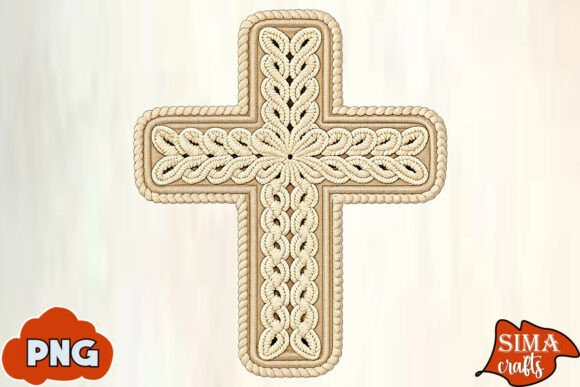
The design itself carries a cozy, rustic energy. It evokes the feeling of a handmade sweater or a vintage doily, suggesting warmth and comfort. Unlike standard geometric patterns, this design mimics the irregularity of yarn loops, creating a tactile illusion that is hard to replicate with simple block fills. For an embroidery designer, this is crucial because it sets the stage for a project that feels personal and artisanal rather than mass-produced. The cross motif anchors the composition, giving it a structured center that prevents the "yarn" effect from looking too chaotic. It feels like a design meant for slow living, perfect for items that get hugged, worn close to the skin, or used daily in a kitchen setting.
A Real-World Scenario: The Custom Baby Gift
To truly evaluate Faux Yarn Crochet Cross Sublimation, I put it through a practical test scenario. I imagined preparing a custom embroidered gift for a baby shower—a soft cotton onesie paired with a matching muslin swaddle. The goal was to create a boutique-quality look without relying on expensive appliqué techniques. When I placed the design on the mockup, the transparency of the PNG allowed me to layer it over different fabric textures instantly. The visual appeal was strong; the faux yarn texture added depth that flat satin stitches simply cannot achieve on their own.
However, the real test happened when I considered the finished product. Would customers notice the difference? In this context, yes. A baby item needs to feel safe and soft. The design's rounded edges and organic lines mimic the gentle curves of knitted goods, which aligns perfectly with the emotional value parents place on handmade gifts. If I were selling this as part of a small shop product line on Etsy, this design would serve as a premium upgrade. It elevates a basic t-shirt or tote bag into something that looks like it came from a high-end craft fair booth. The design assets here are versatile enough to work on a nursery pillow cover or a holiday gift tag, making it a valuable addition for creative entrepreneurs looking to expand their offerings.
Performance on Different Fabrics and Projects
While the concept is strong, the execution depends heavily on the medium. Faux Yarn Crochet Cross Sublimation performs best on stable, medium-weight fabrics where the background doesn't compete with the texture. On a sturdy canvas tote bag, the design holds its shape well, offering a clean contrast against the woven material. Similarly, on sweatshirt embroidery projects, the texture blends seamlessly with the fleece, enhancing the cozy aesthetic. For commercial embroidery applications, such as branding aprons or kitchen towels, this design adds a touch of professionalism that signals quality to the buyer.
However, there are limitations to consider. On stretchy fabrics like thin jersey or athletic wear, the design might distort if not stabilized correctly. The intricate details of the faux yarn could get lost on dark fabric unless you use a high-density underlay or a specific thread color strategy. I also found that on curved surfaces like caps, the design needs careful placement. The cross element works well on the front panel, but the surrounding "yarn" texture might bunch up near the seams if the hoop size isn't optimized. For detailed corners or tiny lettering often found in personalized products, this design might require simplification to ensure clarity after stitching.
Stitch Density and Clarity
One of the most critical aspects of any embroidery file is stitch density. Since this is a graphic-based design intended to simulate texture, the way it converts to stitches determines whether it looks like a mess or a masterpiece. If the machine runs too fast or the stabilizer is insufficient, the fill stitch areas can become puckered, ruining the delicate yarn illusion. For a tote bag design or a sweatshirt embroidery piece, you want the threads to lay flat and crisp. I recommend checking the stitch count and ensuring that the running stitch elements are long enough to prevent thread breakage but short enough to maintain the pattern's integrity.
Where to Use It Carefully
There are specific scenarios where Faux Yarn Crochet Cross Sublimation should be approached with caution. Small hoop sizes are a major constraint; if you try to stitch this on a very small patch or a tiny accessory, the fine details of the yarn texture may disappear entirely. Textured fabrics, such as heavy bouclé or raw denim, can also hide the design, making it difficult for the customer to appreciate the effort. Additionally, if you are working with products that need frequent washing, like dishcloths or children's clothes, you must ensure the design is robust enough to withstand abrasion without fraying.
Layered garments present another challenge. If you plan to embroider over existing prints or thick seams, the stability of the fabric becomes questionable. Decorative accents made with this design might not hold up well on items that undergo rigorous use. For instance, while it looks beautiful on a pillow cover, it might not survive the friction of a dog bed or a high-traffic chair cushion. Always inspect small details before committing to a large production run.
Practical Designer Notes for Success
If you are an Etsy seller or a small business owner planning to use this design, follow these steps to ensure a professional result. First, always test the design on scrap fabric that matches your final material. This helps you gauge how the thread colors interact with the fabric texture and whether the stabilizer choice is adequate. Check the contrast between the design and the background; sometimes a light-colored yarn design gets lost on a beige shirt, requiring a darker thread or a contrasting background patch.
Review the stitch density closely. If the design looks too dense, it may cause the fabric to pucker, especially on custom apparel. Confirm your hoop size before starting; a design that fits a 4x4 hoop might not scale down well for smaller accessories. Inspect the small details, particularly the corners of the cross and the ends of the yarn strands, to ensure they are not too fragile for your machine. Test the design in black and white mockups to see if the tonal values hold up, which is essential for printable mockups used in marketing.
Finally, compare the design on both light and dark fabric backgrounds to understand its versatility. Make sure you have the proper stabilizer for the specific fabric type, as this is often the difference between a smooth finish and a wrinkled disaster. Before selling finished items or using this as a digital embroidery file for commercial purposes, confirm the licensing terms. While the product description notes that these are digital downloads requiring a computer to unzip, the rights to sell the final embroidered product vary by creator. Ensure you have permission to use Faux Yarn Crochet Cross Sublimation for commercial embroidery projects to avoid legal issues.
Final Thoughts on Product Value
In conclusion, Faux Yarn Crochet Cross Sublimation offers a unique opportunity for designers to add a handcrafted feel to their work without the complexity of traditional appliqué. It enhances visual appeal and builds customer trust by signaling attention to detail. Whether you are creating a holiday embroidery gift, a wedding gift set, or a line of personalized products, this design asset provides a consistent brand identity that resonates with buyers looking for authenticity. By understanding its strengths and limitations, you can transform a simple digital file into a standout finished product that stands out in a crowded market.