Floral Card SVG: Elevating Greeting Cards and 3D SVG Designs
In my years as a digital publisher and blog designer, I have learned that the difference between a content site that feels amateurish and one that commands authority often comes down to the quality of its visual assets. When I first encountered the Floral Card SVG, I was immediately struck by its potential to transform standard editorial layouts into polished, high-end experiences. This is not merely a decorative element; it is a strategic graphic design asset designed to elevate the entire visual hierarchy of a website.
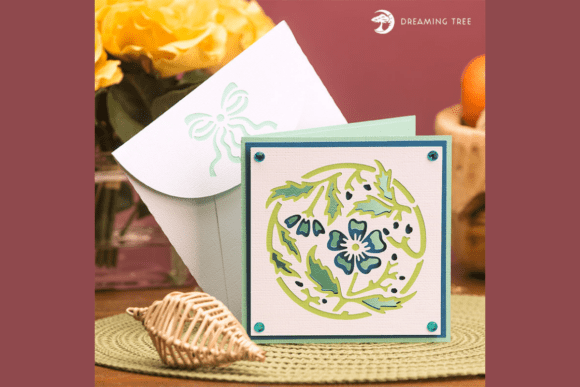
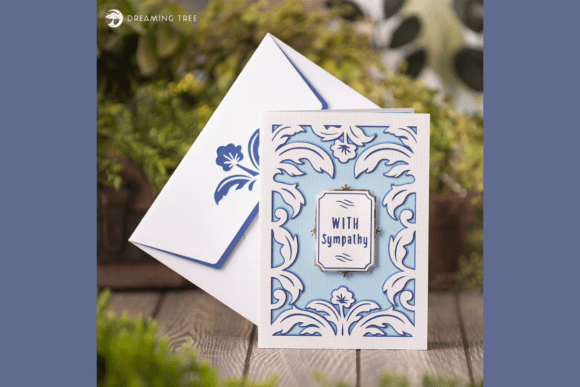
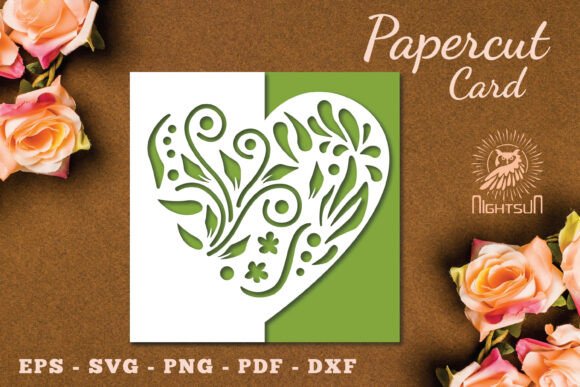
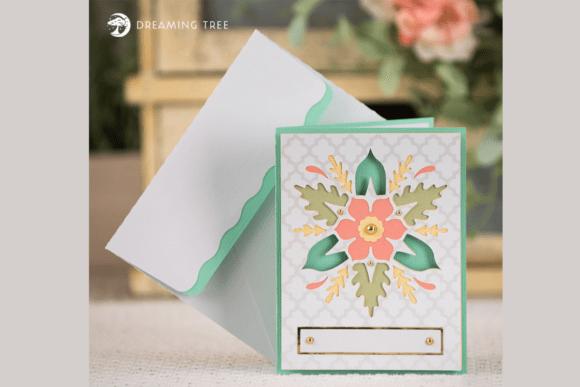
The moment you place this asset on a page, it establishes an editorial mood that is both inviting and sophisticated. The description suggests it can Brighten someone's day with the timeless beauty of layered blooms and flowing leaves. In practice, this translates to a balanced, elegant composition that signals quality to the reader before they even read a single word of your headline. For bloggers, affiliate marketers, and online educators, this kind of immediate visual trust is invaluable. It naturally supports niches focused on lifestyle, wellness, home decor, fashion, and creative entrepreneurship, creating a feminine yet professional atmosphere that encourages deeper engagement.
Integrating Editorial Design into Real Publishing Workflows
Imagine a typical workflow where you are preparing a week's worth of content for your blog or newsletter. You need featured images for five articles, three Pinterest pins, and a banner for your latest lead magnet. Instead of assembling disparate elements, using a cohesive design asset like the Floral Card SVG streamlines this process significantly. Because it is a scalable vector format, it allows for crisp rendering at any size, from a massive hero image to a tiny mobile icon.
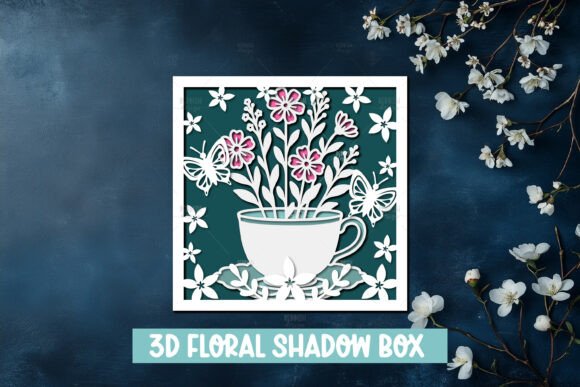
I recently tested this asset in a real-world scenario for a digital guide download. By incorporating the layered blooms into the cover art, the perceived value of the free resource skyrocketed. It moved beyond a simple PDF attachment and became a tangible-looking product. This is crucial for content marketing strategies where the goal is to capture email addresses through high-quality lead magnets. The same asset works beautifully as a category thumbnail on a homepage, helping visitors instantly recognize the section's theme. Whether you are designing a media kit for brand partnerships or creating social media graphics for Instagram, this 3D SVG offers a level of depth that flat illustrations simply cannot match.
Enhancing Visual Hierarchy and Click-Through Potential
One of the primary challenges in web design today is capturing attention in a crowded feed. The Floral Card SVG excels here because of its natural ability to create a strong focal point. The flowing leaves and arranged blooms guide the eye across the composition, making it an excellent choice for article headers or social media previews. When used correctly, these visuals improve click-through rates by signaling that the content behind the link is curated and thoughtful.
This asset supports better brand identity by providing a consistent visual language across all platforms. If you use this floral motif in your newsletter headers, your blog posts, and your Pinterest pin designs, you create a recognizable pattern that readers will associate with your brand. For small business owners and creative entrepreneurs, this consistency builds long-term trust. It transforms a collection of random posts into a cohesive publication. Furthermore, the elegance of the design ensures that your content looks professional even when viewed alongside more corporate or serious industry news, allowing you to stand out without appearing unprofessional.
Strategic Applications for Digital Products and Social Media
The versatility of this asset extends far beyond simple blog decoration. It is perfectly suited for creating digital products such as printable planners, worksheets, and eBook covers. The detailed layering adds a tactile feel to digital downloads, making them appear more premium. For those using tools like Canva, this SVG file serves as a powerful building block for custom templates, allowing you to quickly generate branded materials for your audience.
In the realm of affiliate marketing, where visual persuasion is key, this graphic can be used to highlight product reviews or create "best of" lists. Placing the floral card beside a product image can soften the sales pitch, making it feel more like a recommendation from a friend than a hard sell. Additionally, for newsletter creators, a header featuring this design can increase open rates by adding a touch of personality that stands out in a user's inbox. It is also ideal for seasonal campaigns, as the timeless nature of the flowers makes it adaptable for spring, summer, or even holiday-themed content updates.
Navigating Placement and Contextual Limitations
While the Floral Card SVG is incredibly versatile, an experienced publisher knows that context is everything. There are specific scenarios where this design should be used with caution. For instance, on very small mobile thumbnails, the intricate details of the layered blooms might become indistinct or cluttered. In these cases, it is better to use a simplified version or crop the image to focus on the central bloom.
You should also consider the tone of your niche. While this asset is perfect for lifestyle and creative blogs, it may clash with the strict minimalism required for corporate finance websites or serious medical content. Similarly, if your layout is already busy with heavy text, charts, or multiple competing images, adding this decorative element could overwhelm the reader and dilute your message. Always ensure that the background contrast is sufficient; placing light-colored floral details on a white background without careful shading can reduce readability. The key is balance—let the design enhance the content, not compete with it.
Essential Publisher Notes for Implementation
Before integrating the Floral Card SVG into your live projects, there are several technical checks every web designer must perform. First, always test the asset on both desktop and mobile screens to ensure it scales correctly without losing its impact. Preview it inside a real blog layout to see how it interacts with your typography. Does it look good next to a bold sans-serif font? How does it pair with a classic serif or a playful handwritten script? Experimentation is key to finding the right typographic harmony.
Don't forget to check your file sizes. Even though SVGs are lightweight, ensuring proper compression is vital for maintaining fast load times, which directly impacts SEO rankings. Finally, and most importantly, confirm your commercial license. Since you are likely using this for monetized websites, affiliate pages, or paid digital products, you must have the legal right to use the asset commercially. Many marketplaces offer different tiers of licensing, so review the terms carefully to avoid any future legal complications.
By treating the Floral Card SVG as a core component of your editorial design strategy rather than just a clipart add-on, you unlock its full potential. It bridges the gap between functional web design and artistic expression, resulting in a digital presence that is both beautiful and effective. Whether you are building a new site or refreshing an existing one, this asset provides the polish needed to turn casual visitors into loyal readers and customers.